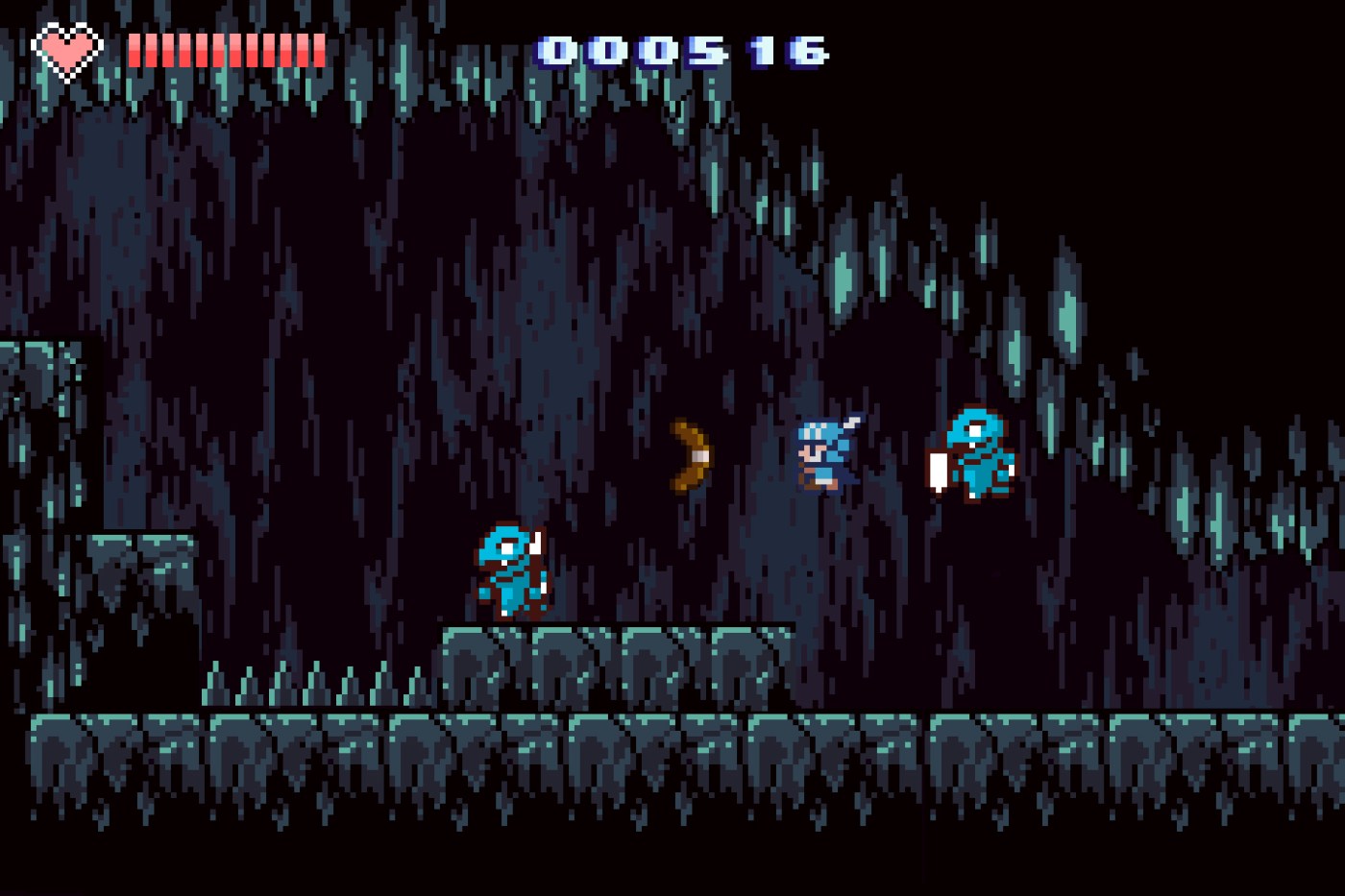
The indie game development scene has always been a hugely creative part of the industry. Although the idea of “indie” is plenty old by this point, it emerged with huge prominence and flair once the digital marketplace became properly established, assisted partly by services such as Steam and Desura. Millennial-age gamers finally had an easily-accessed escape route from the dystopian AAA industry. High and low-key developers alike celebrated that they could finally execute on fresh ideas and be rewarded for it without fear of being swept under the rug for not being “like the big players”, at least to a much higher degree than it had been until then.
At this point, monumental tides of developers washed in, all with their own concepts of what people would enjoy. This ranged from the clean and simplistic to the intense and refined. Ideas were running hot and momentum wasn’t stopping. It seemed like the indies had taken their percentage of the market and they were there to stay, nothing could destroy the heroic regard most of the industry held them in.
Organizations and conventions were set up all over the globe to accommodate the emerging sector. Award shows and acclamation abound, young developers and gamers had something to aspire to. However, as much as the gaming industry has a dollar worth that continues to sky-rocket, beyond Hollywood’s wildest dreams, it started to become awfully crowded.
Just Like Your Childhood Favourites
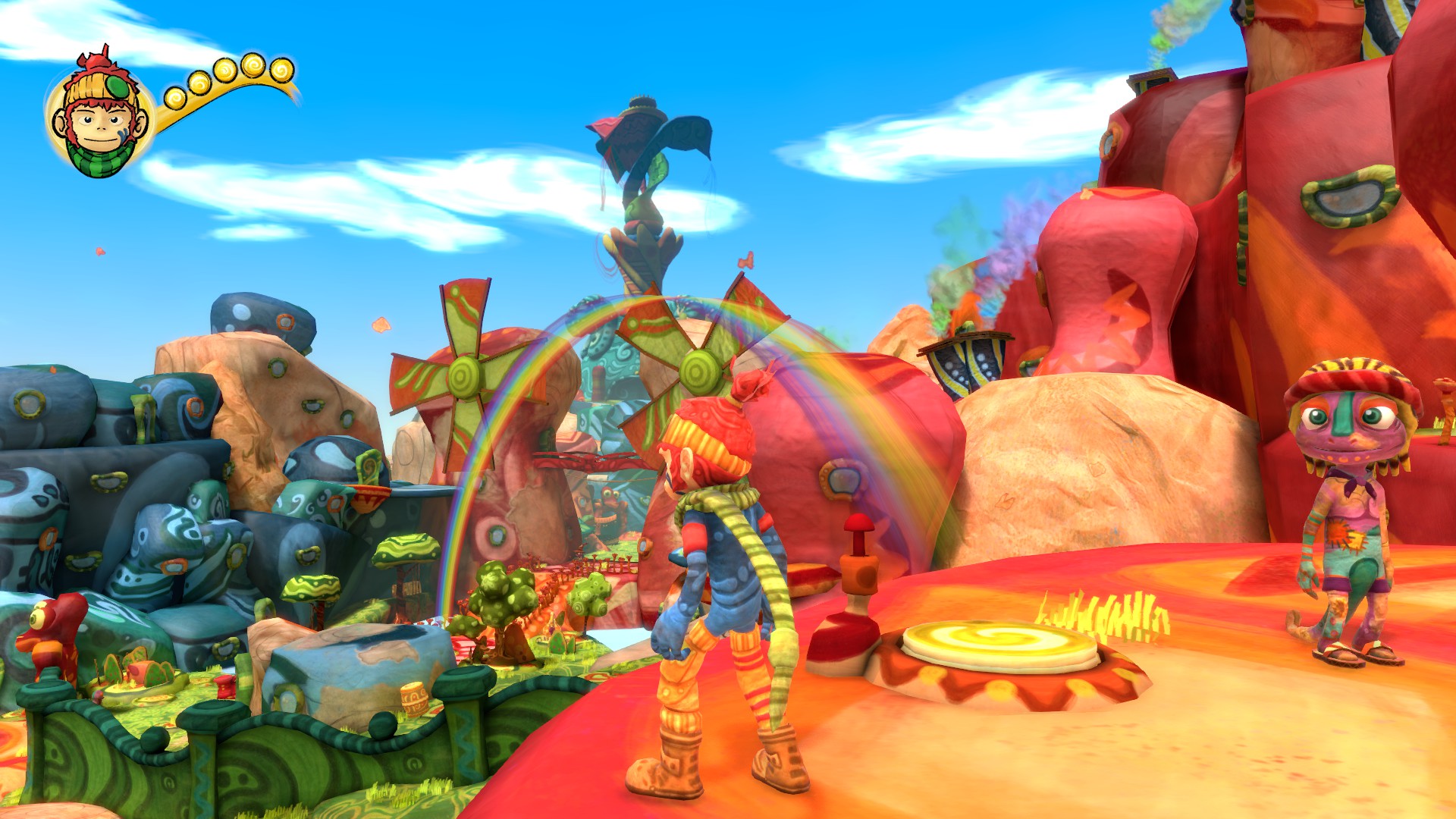
Developers started pursuing simpler ways of innovating, one of the most prominent being to mimic games long out of fashion for the AAA industry and tweaking them to fit in a modern environment, ridding old genres of certain tropes that had held them back to general audiences (more on that below). Some were less creative about it, pumping out pale imitations of old games in the name of “retro”. This is where the problems started to occur.
One idea that certainly helped drive indies back in terms of industry respect was the creation of Steam Greenlight, a flawed platform of Steam admission based around faux-democracy and marketing campaigns. When this emerged, unending tidal waves of low-effort work started flooding the marketplace. Not to say it didn’t have it’s fair share of success stories in which underground developers rose to fame. It certainly did, but the ratio was incredibly small. Furthermore, Early Access did much the same thing, cluttering the system with unfinished games and further shoving the gems off to the side.
At this point Steam had all but officially monopolized the PC gaming scene. Developers would do anything to be on the service, even lie directly to the people they were originally trying to serve, the consumer. The concept of “retro bait” was formed, no longer being an homage or a love letter, but a clone, attempting to earn purchases through the customers fond memories of games of old. Many to this day are convinced that all games that bare retro qualities fall into this category, much to the chagrin of developers that want to pay their respects to the industry legends of decades past.
“Indies use pixel art because they’re lazy”
That header is a sentiment that I’ve seen get to developers. It’s unbelievable to think that the idea of designing in pixels, one of the acrylic paints of the digital art world, is an inherently lazy thing to do. Of course most don’t just come to a conclusion like that so hastily. This is after years of underwhelming work using it as a base. After all, at one point it was crucial to the larger portion of the industry, now being the default go-to for “retro bait” looking for a quick buck.
The ramifications of said sentiment is becoming a threat to those developers that still want to improve styles of old. Developers that want to expand them in terms of art, now that the possibilities are arguably endless in regards to memory and scale. One of these developers is one that I’ve always held very dear, Zeboyd Games. The reason I attached myself to them originally was because of their take on the RPG genre. Their first two arguably successful games, Breath of Death VII and Cthulhu Saves the World, took what I absolutely despised in the genre and made it accessible. Random encounters were limited and could be activated at will. Story beats were snappy and on subsequent playthroughs you could hammer through text boxes in mere seconds. Combat wasn’t bogged down with lengthy cutscene animations and needless aesthetic clutter. I loved them and still to this day hold them up as a recommendation to anyone who wants the experience of an RPG without all the background noise.
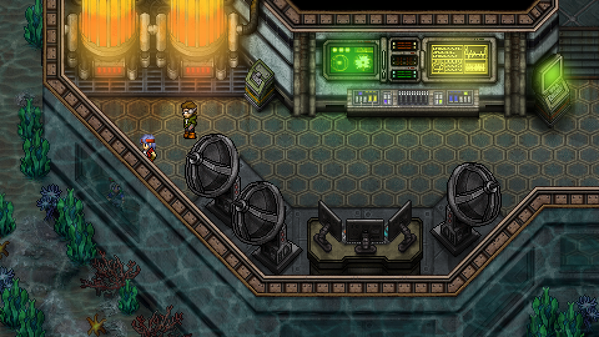
Currently they are underway on a project called “Cosmic Star Heroine“, which is very transparently influenced by classics such as Chrono Trigger and other major RPGs of the 16-bit era. Through development I have on many an occasion seen one or both of the active team members in anguish about the potential the game has in the market. The chance of failure runs ever higher, even on projects that people have welcomed with open arms and funded, like this one. A perfectly capable developer with a super clean track record, still worried that they just might not make it, as if the work they had put out in the past simply did nothing to help the status the company holds.
If there were to be a proper conclusion to the thoughts in this article, it would be telling people to not be so hasty in judgement. You can’t judge a book by it’s cover nor can you a video game. Absolutely, the chance of a retro style game being worth your time can sometimes seem low, but you need to always distinguish between what is fodder, merely imitation, and what is a true passion project with all of the developers loves and influences injected within.
What do you think can be done to help smaller developers keep traction while keeping their personal inspirations on their sleeve? Let me know in the comments!
 Glitching Is Art
Leave a comment